Breathe Better, Live Calmer: How Simple Breathing Exercises Transformed My Mental Health
Have you ever noticed how your breath changes when you're stressed? I did—and it changed everything. Once I started paying attention, simple breathing exercises became my go-to tool for staying calm, focused, and emotionally balanced. Backed by science and easy to practice anywhere, these techniques aren’t just relaxing—they’re a game-changer for managing mental well-being. This is how I made breath work a daily habit—and why it might be the missing piece in your health routine.
The Moment I Realized My Breath Was Off
It happened during a routine morning—nothing extraordinary, just a full inbox, a missed school drop-off reminder, and a broken coffee maker. I stood in my kitchen, heart pounding, chest tight, and realized I wasn’t really breathing. My breaths were shallow, quick, and high in my chest, as if I were bracing for impact. I wasn’t in danger, yet my body reacted as though I were. That moment was a wake-up call. I had always thought of breathing as something that just happened, automatic and beyond thought. But now I saw it differently. My breath was a mirror of my mind, reflecting stress I hadn’t even acknowledged. That awareness sparked a journey—one that led me to understand how something so simple could carry such profound power.
What struck me most was the realization that breathing is unique among bodily functions. Unlike heartbeat or digestion, which operate without our input, breathing sits at the intersection of the automatic and the intentional. We don’t have to think about it, but we can choose to control it. This dual nature makes breath a rare bridge between the body and mind. When we're anxious, our breath becomes erratic; when we slow and deepen it, the mind often follows. I began to wonder: if my breath could reflect my stress, could it also help me regulate it? That question led me to explore the science behind breathing and its impact on mental health, a path that transformed not only how I breathe, but how I live.
Why Breathing Matters More Than You Think
Breathing is something we do about 20,000 times a day, yet most of us give it little thought—until it becomes difficult. But beneath this automatic act lies a powerful physiological mechanism that directly influences our nervous system. When we breathe slowly and deeply, we activate the parasympathetic nervous system, the body’s “rest and digest” mode. This counters the sympathetic nervous system, which drives the “fight-or-flight” response. In times of stress, our breath quickens, preparing us to react to danger. But in modern life, that danger is rarely physical—it’s a deadline, a conflict, or an overwhelming to-do list. Our bodies respond the same way, even when no real threat exists.
Over time, chronic stress keeps the body in a near-constant state of alert, with rapid, shallow breathing becoming the norm. This disrupts the balance of oxygen and carbon dioxide in the blood, increases muscle tension, and elevates levels of stress hormones like cortisol. The result? Persistent anxiety, difficulty concentrating, and even disrupted sleep. Research from institutions like Harvard Medical School and the National Institutes of Health has shown that intentional breathing practices can reverse these effects. Studies indicate that regular breath work reduces symptoms of anxiety and depression, improves focus, and enhances emotional regulation. One 2017 study published in Frontiers in Psychology found that participants who practiced slow breathing for just 15 minutes a day reported significantly lower stress levels and improved mood within two weeks.
Yet, despite this evidence, many people overlook breathing as a tool for mental wellness. It’s too simple, too quiet in a world that favors quick fixes and dramatic solutions. But the truth is, the modern lifestyle actively works against healthy breathing. Hours spent hunched over screens, multitasking, and living in a constant state of mental chatter all contribute to disrupted breathing patterns. We breathe through our mouths instead of our noses, take short sips of air instead of full, diaphragmatic breaths, and often hold our breath without realizing it. The good news is that we can retrain this essential function—no medication, no special equipment, just awareness and practice.
What Breathing Exercises Actually Do (And How They Work)
At first glance, breathing exercises might seem like little more than a moment of pause in a busy day. But beneath the surface, powerful biological processes are at work. When you slow your breath, especially when you extend the exhale, you stimulate the vagus nerve—one of the longest nerves in the body, running from the brainstem to the abdomen. This nerve is a key player in the parasympathetic nervous system, and when activated, it sends a signal to the brain that it’s safe to relax. This is why a long, slow exhale can feel instantly calming—it’s not just in your head; it’s a measurable physiological shift.
Another critical effect is the regulation of cortisol, the primary stress hormone. Elevated cortisol over time is linked to a range of health issues, including high blood pressure, weakened immunity, and mood disorders. Controlled breathing has been shown to reduce cortisol levels, helping the body return to a state of balance. Additionally, deep breathing improves oxygen exchange in the lungs, allowing more oxygen to reach the brain and muscles. This enhances mental clarity and physical energy, making it easier to think clearly and respond thoughtfully, rather than react impulsively.
It’s important to understand that breathing exercises are not mystical or magical. They don’t promise instant enlightenment or eliminate life’s challenges. Instead, they work with the body’s natural design. Think of them like physical exercise for the nervous system. Just as lifting weights strengthens muscles over time, consistent breath work builds resilience in the body’s ability to handle stress. The more you practice, the more quickly and effectively your body can return to a calm state after a stressful event. This doesn’t mean you’ll never feel anxious again—but it does mean you’ll have a reliable tool to regain your balance.
The One Method I Started With (And Why It Worked)
When I first began exploring breath work, I wanted something simple, something I could do without confusion or frustration. I started with diaphragmatic breathing, also known as belly breathing. This technique forms the foundation of most breath work practices because it re-establishes a natural, efficient breathing pattern. Unlike shallow chest breathing, which uses the upper lungs and accessory muscles, diaphragmatic breathing engages the diaphragm—a large, dome-shaped muscle beneath the lungs. When it contracts, it creates space for the lungs to expand fully, allowing for deeper, more effective breaths.
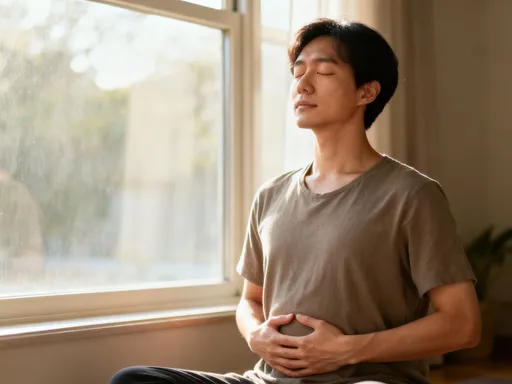
Here’s how I practiced it: I would sit or lie down in a comfortable position, one hand on my chest, the other on my belly. I inhaled slowly through my nose, aiming to feel my belly rise while keeping my chest relatively still. Then I exhaled gently through my mouth or nose, feeling my belly fall. I focused on making the exhale slightly longer than the inhale—something like a 4-second inhale and a 6-second exhale. At first, it felt awkward. My mind wandered, and I had to remind myself to return to the breath. Sometimes I even felt a little lightheaded, a sign I was breathing too deeply too soon. But I kept going, just five to ten minutes a day.
Within a week, I began to notice changes. I felt calmer in the mornings, less reactive during tense moments. One afternoon, when my youngest spilled juice across the kitchen floor, I caught myself taking a deep belly breath before responding. I didn’t yell. I didn’t panic. I cleaned it up, calmly. That small moment was a revelation. This simple practice was not just helping me relax—it was changing how I responded to life. What made diaphragmatic breathing work so well was its accessibility. I didn’t need a yoga mat, a quiet room, or even extra time. I could do it while waiting for the kettle to boil, during a phone call, or lying in bed before sleep. It was always available, always free, and always effective.
Leveling Up: Two Other Techniques That Made a Difference
Once I had built a foundation with diaphragmatic breathing, I explored other techniques that addressed different needs. The first was box breathing, a method used by Navy SEALs and athletes to maintain focus under pressure. It follows a simple four-part pattern: inhale for four counts, hold for four, exhale for four, and hold again for four. This creates a balanced, rhythmic cycle that calms the mind and sharpens attention. I found it especially helpful before important conversations or when I needed to concentrate on a complex task. The structured timing gives the mind something to focus on, which helps quiet mental chatter.
I practiced box breathing at my desk, using a silent count in my head. At first, holding the breath felt uncomfortable, but over time, my lung capacity improved, and the technique became second nature. What surprised me most was how quickly it could shift my state. Even two or three rounds were enough to steady my nerves and clear my thoughts. Unlike more passive relaxation methods, box breathing felt active and empowering—a way to take control when I felt overwhelmed.
Another technique that made a difference was alternate nostril breathing. This practice involves gently closing one nostril, inhaling through the other, then switching sides to exhale. While it has roots in traditional wellness systems, I approached it simply as a breathing exercise, not tied to any spiritual or cultural belief. I found it particularly effective for emotional balance—when I felt scattered, irritable, or emotionally charged, this practice helped me feel centered. The rhythm creates a soothing, meditative effect, and the focus on the breath and hand movement provides a mental anchor.
What I appreciate most is that different breathing techniques serve different purposes. Diaphragmatic breathing is ideal for general relaxation and building a daily habit. Box breathing is excellent for focus and composure in high-pressure moments. Alternate nostril breathing supports emotional regulation and mental clarity. Having a small toolkit means I can choose the right method for the situation, whether I need to calm down, recharge, or prepare for sleep. The key is consistency, not perfection. Even a few minutes of intentional breathing can shift your entire day.
Making It Stick: How I Built a Real Habit
Like many wellness practices, the real challenge isn’t learning how to breathe—it’s remembering to do it regularly. In the beginning, I would go days without practicing, especially when life got busy. I’d tell myself I didn’t have time, or I’d forget altogether. Other times, I felt a little self-conscious, as if taking time to breathe deeply was indulgent or silly. I had to reframe my thinking. This wasn’t a luxury—it was a necessity, as essential as drinking water or getting enough sleep.
To make breath work a habit, I paired it with existing routines. I started with morning coffee: instead of scrolling through my phone, I spent the first five minutes breathing deeply while the coffee brewed. In the evening, I practiced diaphragmatic breathing in bed, using it as a signal to my body that it was time to wind down. I also set gentle phone reminders—just a soft chime once or twice a day—to prompt me to pause and breathe. Over time, these small cues helped the practice become automatic.
The turning point came when I noticed I was reaching for breath work instinctively. During a stressful work call, I caught myself slipping into shallow breathing. Without thinking, I took a slow, deep breath—and felt my shoulders drop. That moment told me the habit had taken root. It was no longer something I had to force; it was something I needed, like a mental reset button. I also began to notice subtle benefits beyond stress relief: better sleep, improved digestion, and a greater sense of presence in my daily life. These small wins reinforced my commitment and made the practice feel worthwhile.
Breathing as Part of a Bigger Health Picture
Breath work is not a cure-all, nor should it replace professional care for serious mental health conditions. But it is a powerful, accessible tool that fits seamlessly into a holistic approach to well-being. When combined with good sleep, regular physical activity, and emotional awareness, intentional breathing amplifies the benefits of each. For example, deep breathing before bed can improve sleep quality by calming the nervous system. Practicing breath work before exercise can enhance focus and oxygen efficiency. And using it during moments of emotional intensity can prevent reactive behaviors and promote thoughtful responses.
What makes breath work unique is its immediacy. Unlike long-term lifestyle changes that take weeks to show results, breathing can shift your state in minutes. It’s always available, requiring no cost, equipment, or special training. It meets you where you are—whether you’re sitting in traffic, standing in line, or lying awake at night. And because it’s rooted in physiology, not ideology, it’s accessible to everyone, regardless of age, fitness level, or background.
That said, it’s important to be realistic. Some days, the practice will feel easy and transformative. Other days, your mind may resist, or your body may feel too tense. That’s normal. The goal isn’t perfection—it’s presence. Even a few conscious breaths can make a difference. And if you’re dealing with trauma, chronic anxiety, or other complex conditions, breath work should complement, not replace, guidance from a qualified healthcare provider. Used wisely, it becomes a supportive practice, not a substitute for professional support.
Conclusion: A Small Shift With Big Ripple Effects
Looking back, I never expected that paying attention to my breath would lead to such profound changes. It didn’t solve all my problems, but it gave me a way to face them with greater calm and clarity. Over time, I’ve become more aware of my body’s signals, more resilient in the face of stress, and more in tune with my emotions. What started as a simple experiment has become a cornerstone of my daily life—a quiet, consistent practice that grounds me no matter what else is happening.
The beauty of breath work lies in its simplicity and power. It asks for only a few minutes of your time, yet offers lasting benefits for mental and physical health. It reminds us that well-being doesn’t always require dramatic changes. Sometimes, it begins with a single, intentional breath. Your breath is always with you—steady, reliable, and free. It’s the quietest tool you own, and perhaps the most powerful. By learning to use it wisely, you’re not just managing stress; you’re reclaiming a sense of control, presence, and peace in your everyday life. And that, more than anything, is a gift worth breathing into.