Why Your Eyes Need a Daily Reset – A No-Fluff Guide to Real Eye Care
You stare at screens all day, yet rarely give your eyes a second thought—until they burn, blur, or feel exhausted. I’ve been there. What if small, consistent habits could make a real difference? This isn’t about quick fixes, but a systematic approach to eye care that fits into everyday life. From blinking better to lighting adjustments, let’s explore how simple changes support long-term eye health as part of overall body care. While vision is often taken for granted, it is one of the most used and least maintained systems in the body. The good news is that eye strain is largely preventable. With growing screen time and indoor living, our eyes face unprecedented demands. But by understanding the root causes of fatigue and applying science-backed, practical strategies, lasting relief is possible. This guide offers a clear, no-nonsense path to healthier eyes—one that integrates seamlessly into the rhythm of daily life.
The Hidden Strain: Why Modern Life Is Harsh on Your Eyes
Digital eye strain, also known as computer vision syndrome, affects millions of adults who spend more than two hours daily in front of screens. For many women between 30 and 55—juggling work, family, and household responsibilities—screen time often stretches far beyond that. Whether it’s answering emails during lunch, managing schedules on a tablet, or unwinding with a streaming show at night, the eyes are constantly engaged. The problem isn’t screens themselves, but how we use them. Prolonged focus at a fixed distance reduces natural eye movement, causing the ciliary muscles inside the eye to lock in place. This leads to fatigue, blurred vision, and discomfort that radiates into the forehead and temples.
What many don’t realize is that eye strain doesn’t exist in isolation. It’s closely tied to physical posture and overall tension in the body. When someone leans forward to read a small font or squints at a dim screen, the neck tightens, shoulders rise, and breathing becomes shallow. This creates a cycle: physical tension increases visual effort, and visual effort deepens physical strain. Over time, this can contribute to chronic headaches, reduced concentration, and even disrupted sleep. These symptoms are often dismissed as normal signs of aging or stress, but they are, in fact, signals from the body asking for change.
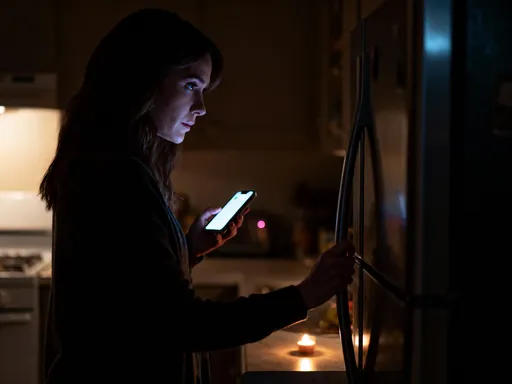
Consider a typical evening: dinner is finished, children are in bed, and there’s finally a moment to catch up on personal tasks. The living room lamp casts uneven light, the phone screen glows brightly in the dimness, and one hour of scrolling turns into two. By midnight, the eyes feel gritty, dry, and heavy. This scenario is common, but it is not harmless. Repeated nightly exposure to intense near-work in low light conditions stresses the visual system and disrupts natural circadian rhythms. The solution is not to abandon screens, but to use them more wisely. Recognizing these patterns is the first step toward meaningful change.
Blinking Is a Superpower: The Overlooked Foundation of Eye Comfort
One of the most powerful yet underused tools for eye health is something everyone already knows how to do: blink. But here’s the catch—people blink far less when focusing on screens. Studies show that blink rates can drop by up to 60% during screen use, from a normal 15–20 times per minute to as few as 5–7. This dramatic reduction means the eyes aren’t being lubricated as often as they should be, leading to dryness, irritation, and a sensation of something stuck in the eye. Blinking isn’t just a reflex; it’s a vital maintenance function. Each blink spreads a fresh layer of tears across the cornea, washing away debris and keeping the surface smooth for clear vision.
When blinks become incomplete or infrequent, the tear film evaporates too quickly. This is especially problematic in air-conditioned or heated indoor environments, where humidity is low. Over time, chronic dry eye can develop, causing redness, sensitivity to light, and fluctuating vision. The good news is that this can be reversed with awareness and practice. Conscious blinking—fully closing the eyelids and holding gently for a second—can restore moisture and comfort. It only takes a few seconds, but the cumulative effect is significant. Think of it as a mini reset for your eyes, available anytime, anywhere.
Incorporating intentional blinking into daily routines doesn’t require major changes. Try placing a small reminder on your computer screen: “Blink Now.” Or set a gentle alert on your phone every 30 minutes. During video calls, use the moment when someone else is speaking to close your eyes fully for two seconds. Reading an article online? Pause at the end of each paragraph to blink slowly three times. These micro-moments add up. Over days and weeks, many women report less dryness, reduced reliance on eye drops, and a greater sense of control over their eye comfort. Blinking is a quiet act of self-care—one that costs nothing and gives back more than expected.
Light Matters: How Your Environment Shapes Eye Health
Lighting plays a crucial role in how easily the eyes function throughout the day. Yet, most people work and relax in environments with poor or imbalanced lighting. Harsh overhead fluorescent lights, common in offices and kitchens, create glare and visual fatigue. They emit a cool, bluish light that can disrupt circadian rhythms and increase eye strain, especially when paired with a glowing screen. On the other hand, dim lighting forces the eyes to work harder to see, leading to squinting and discomfort. The ideal lighting setup supports the eyes without drawing attention to itself—soft, even, and aligned with natural daylight patterns.
Natural light is the gold standard for eye health. Exposure to morning sunlight helps regulate the body’s internal clock, improving alertness during the day and sleep quality at night. When possible, position your desk near a window, but avoid direct sunlight on the screen, which causes glare. If natural light is limited, use warm-toned LED bulbs (2700K–3000K) for ambient lighting. These mimic the soft glow of sunrise and sunset, reducing strain compared to cooler, brighter bulbs. Adding a desk lamp with adjustable brightness allows you to tailor the light to the task—brighter for reading, softer for relaxing.
Screen glare is another major contributor to eye fatigue. Reflections from windows or overhead lights force the eyes to constantly adjust, leading to headaches and blurred vision. A simple solution is to reposition the screen so it’s perpendicular to windows or light sources. Using a matte screen filter can also reduce glare without distorting the image. Another effective technique is bias lighting—a soft light placed behind the monitor, aimed at the wall. This reduces contrast between the bright screen and a dark room, easing the load on the eyes. These adjustments are low-cost and easy to implement, yet they make a noticeable difference in comfort and clarity.
The 20-20-20 Rule, Actually Done Right
The 20-20-20 rule is one of the most widely recommended strategies for reducing eye strain: every 20 minutes, look at something 20 feet away for at least 20 seconds. While simple in theory, many people struggle to apply it consistently. The reason isn’t lack of care—it’s lack of integration. In the middle of a work task or a family video call, pausing to look out a window can feel disruptive. But the rule works because it gives the eye’s focusing muscles a chance to relax. When you stare at a screen, those muscles are locked in a contracted state. Shifting focus to a distant object allows them to release, preventing stiffness and fatigue.
To make the 20-20-20 rule stick, it helps to pair it with existing habits—a technique known as habit stacking. For example, every time you take a sip of water, stand up and look out the nearest window for 20 seconds. Or, after sending an email, pause before opening the next one to focus on a faraway object. If you wear glasses, use the break to clean your lenses, combining eye care with a practical task. Some find it helpful to use a timer or a free app that gently reminds them to take visual breaks. The key is consistency, not perfection. Even doing the rule half the time can reduce symptoms over weeks.
Another way to enhance the rule is to add gentle eye movements. During the 20-second break, don’t just stare—move your eyes slowly in different directions. Look up, down, left, and right, then trace a figure eight in the air with your gaze. This encourages full range of motion in the extraocular muscles, improving flexibility and coordination. These movements take seconds but help maintain eye agility, which tends to decline with age and prolonged near work. When practiced regularly, they contribute to sharper focus and reduced fatigue. The 20-20-20 rule isn’t a cure-all, but when done mindfully and consistently, it becomes a cornerstone of daily eye care.
Posture and Alignment: Your Eyes Are Part of the Whole Body
Eye health cannot be separated from overall body alignment. Poor posture—especially forward head position and rounded shoulders—directly impacts how easily the eyes function. When the head juts forward, as it often does when looking at a phone or laptop, the eyes must work harder to maintain focus. This misalignment shifts the center of gravity, increases neck tension, and compresses the upper spine, all of which contribute to visual fatigue. The eyes and neck are neurologically linked; tension in one area amplifies strain in the other. This is why many people experience eye discomfort along with neck or shoulder pain.
Correcting posture begins with ergonomic adjustments. The top of your computer screen should be at or slightly below eye level, about 20–28 inches from your face. This allows you to look slightly downward, a natural position that reduces strain on the neck and eyes. Use a laptop stand or stack of books if needed. Your chair should support the lower back, and your feet should rest flat on the floor or on a footrest. The keyboard should be positioned so your elbows are bent at 90 degrees, keeping your shoulders relaxed. These small changes may seem minor, but they create a cascade of benefits—better breathing, improved circulation, and less overall fatigue.
Beyond equipment, body awareness is key. Throughout the day, pause briefly to check your alignment. Are your ears over your shoulders? Is your chin tucked slightly? Are your shoulders down and back? A quick body scan takes seconds but helps reset posture before strain builds. Practicing this mindfulness regularly trains the body to hold better alignment naturally. Over time, many women notice not only reduced eye strain but also improved energy and focus. Good posture isn’t about rigidity—it’s about balance and ease. When the body is aligned, the eyes can function with less effort, making daily tasks more comfortable and sustainable.
Nutrition and Hydration: Fueling Your Vision from Within
Healthy eyes depend on a steady supply of essential nutrients. While no single food can reverse vision loss, a balanced diet rich in eye-supportive compounds can protect against age-related decline and support daily comfort. Lutein and zeaxanthin, two antioxidants found in high concentrations in the retina, act like internal sunglasses—filtering harmful blue light and reducing oxidative stress. These are abundant in dark leafy greens like spinach, kale, and collard greens. Cooking them with a healthy fat, such as olive oil or avocado, increases absorption, making meals both delicious and effective.
Omega-3 fatty acids, particularly DHA, are crucial for maintaining the health of the eye’s surface and tear film. Fatty fish like salmon, sardines, and mackerel are excellent sources. For those who don’t eat fish, flaxseeds, chia seeds, and walnuts offer plant-based omega-3s, though conversion in the body is less efficient. Vitamin A, essential for night vision and corneal health, is found in eggs, sweet potatoes, and carrots. The beta-carotene in orange vegetables converts to vitamin A as needed, making them a safe and natural source. Colorful fruits and vegetables—blueberries, oranges, bell peppers—provide additional antioxidants like vitamin C and E, which support blood vessel health in the eyes.
Hydration is equally important. The eyes rely on a continuous tear film to stay moist and clear. Dehydration reduces tear production, leading to dryness and irritation. Drinking enough water throughout the day—typically 6–8 glasses, depending on activity and climate—supports not only eye comfort but overall well-being. Herbal teas and water-rich foods like cucumbers, melons, and oranges also contribute to fluid intake. It’s best to limit excessive caffeine and alcohol, as they can dehydrate the body. A nourishing diet doesn’t require perfection—small, consistent choices add up. Adding a handful of spinach to a morning smoothie or swapping afternoon chips for a piece of fruit can make a real difference over time.
Building a Sustainable Eye Care Routine: Small Steps, Real Results
Creating lasting change doesn’t require overhauling your life. Sustainable eye care is built on small, repeatable actions that fit naturally into your day. Start with morning light exposure: within an hour of waking, spend 5–10 minutes near a window or outside. This helps reset your circadian rhythm and improves alertness. During work hours, practice the 20-20-20 rule and conscious blinking. Use lunch breaks to step away from screens—walk outside, look at distant trees, or simply close your eyes for a few minutes. In the evening, reduce screen brightness and switch to warm lighting to support relaxation and sleep.
Tracking progress can be motivating. Instead of waiting for dramatic changes, notice subtle improvements: fewer headaches, less need for squinting, eyes that feel refreshed after a break. These are signs that the habits are working. If you miss a day, don’t worry—consistency matters more than perfection. The goal is not to achieve flawless eye health overnight, but to build a routine that supports long-term well-being. Think of eye care as a form of daily respect for your body’s most relied-upon sense.
It’s also important to remember that preventive care complements, but does not replace, professional eye exams. Regular check-ups with an optometrist can detect issues early, such as glaucoma or macular degeneration, even before symptoms appear. Adults should have a comprehensive eye exam every one to two years, depending on age, family history, and risk factors. These visits are essential for updating prescriptions, assessing eye health, and receiving personalized advice. Combining professional care with daily habits creates a complete approach to vision wellness.
Eye care is not a luxury or an afterthought—it’s a vital part of self-care. By making small, intentional choices, you give your eyes the support they need to stay strong, comfortable, and resilient. These habits may seem simple, but their impact is profound. Over time, they can transform how you see the world—literally and figuratively. Start with one change today. Blink more. Adjust your light. Step away and look far. Let your eyes thank you, one mindful moment at a time.
Eye care isn’t just about avoiding discomfort—it’s a form of daily respect for your body’s most relied-upon sense. By treating it as part of a holistic self-care system, not an afterthought, you gain more than clarity: you gain comfort, stamina, and awareness. These habits aren’t flashy, but they’re lasting. Start small. Stay consistent. And let your eyes thank you, one blink at a time.