This Is Why Slow Travel in Angers Tastes Like Magic
You know that feeling when a place just gets you? Angers, France, did exactly that—without the crowds or chaos. I went slow, really slow, letting mornings stretch over café crèmes and afternoons wander cobblestone lanes. And the food? Mind-blowing. From tucked-away bistros to markets bursting with local flavor, dining here isn’t just eating—it’s storytelling. This isn’t about ticking boxes; it’s about savoring moments. If you’re craving authenticity with every bite, Angers might just be your next food soulmate.
The Art of Slowing Down in Angers
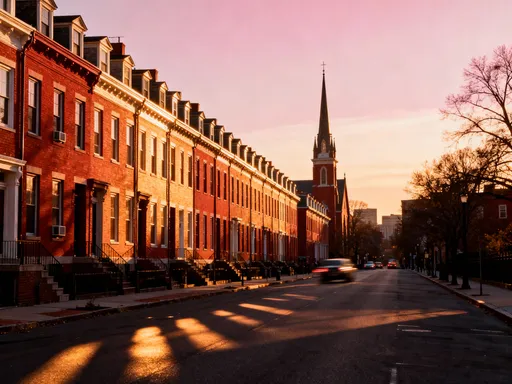
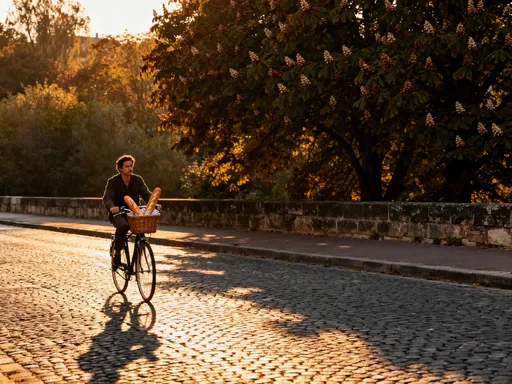
Angers, nestled along the gentle curves of the Maine River, is a city that invites you to exhale. Its compact center, easily navigable on foot or by bicycle, resists the hurried pace so common in larger European destinations. There are no grand boulevards demanding rushed photo ops, no labyrinthine metro systems to master. Instead, the rhythm of daily life unfolds at a human scale—one where time feels less like a constraint and more like a companion. For travelers accustomed to checking off landmarks in a day, Angers offers a quiet rebellion: the luxury of lingering.
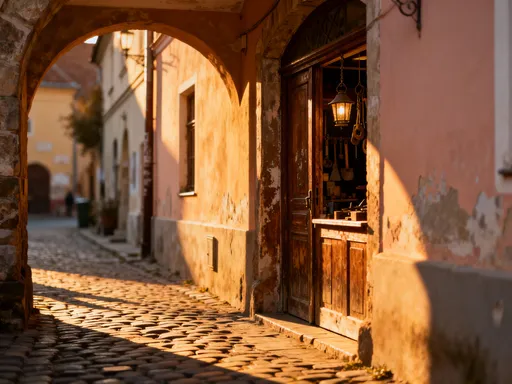
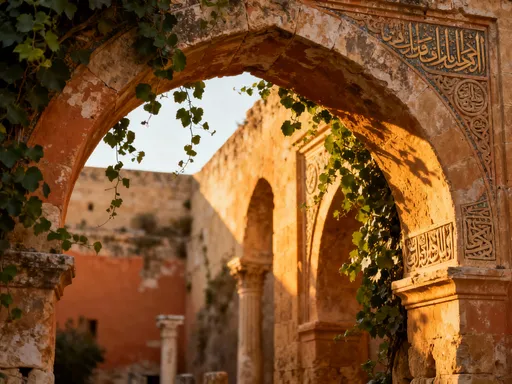
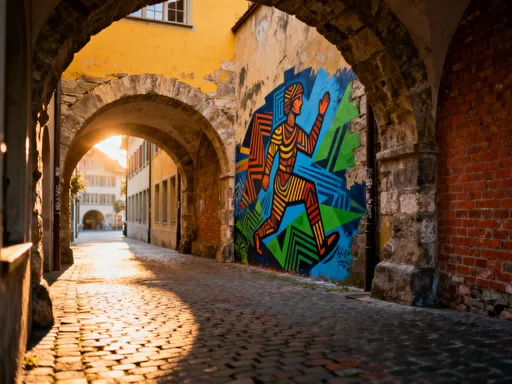
The city’s pedestrian-friendly streets encourage aimless strolling, the kind that leads to unexpected discoveries. A weathered door slightly ajar might reveal a sunlit courtyard with a centuries-old well. A narrow alleyway could open into a hidden square where an elderly couple shares a bench and a baguette. These are not curated experiences but organic moments, the kind that only emerge when you allow yourself to move slowly. Without the pressure of a packed itinerary, visitors often find themselves pausing simply to watch sunlight dance on stone facades or to listen to the distant chime of the cathedral bell.
Walking or cycling between neighborhoods like La Doutre and Saint-Léonard becomes more than transportation—it becomes immersion. Each district carries its own character, shaped by centuries of trade, river access, and local tradition. In La Doutre, once a working-class enclave across the river, you’ll notice the remnants of old tanneries and the sturdy charm of timber-framed houses. The absence of tourist crowds means conversations with shopkeepers happen naturally, often sparked by a simple smile or a shared appreciation for the morning’s fresh bread. This is slow travel not as a trend, but as a return to the essence of what it means to be present in a place.
By shedding rigid schedules, travelers open themselves to serendipity. A delayed train becomes an excuse to linger over a second espresso. A sudden rain shower leads to shelter in a neighborhood wine bar, where a spontaneous conversation with locals turns into an impromptu dinner invitation. Angers doesn’t demand your attention; it earns it, gently, through consistency and charm. In this way, the city becomes a teacher of presence, reminding us that the most meaningful moments in travel are rarely planned.
A Culinary Canvas: Understanding Angevin Food Culture
The cuisine of Angers is not defined by extravagance but by intention. Rooted in the broader Pays de la Loire region, Angevin food culture thrives on simplicity, seasonality, and a deep respect for local ingredients. This is not a place where culinary trends dictate menus. Instead, tradition and terroir guide what appears on the plate. Meals unfold like chapters in a story—one where each ingredient has a history, and every dish reflects the landscape from which it came.
At the heart of this cuisine is rillauds, a slow-cooked pork specialty that has nourished families in western France for generations. Prepared by simmering fatty cuts of pork in their own fat until tender, then preserved in crocks, rillauds is often served at room temperature with a chunk of fresh baguette and a sharp green salad. It’s a dish born of necessity, perfected by time, and still cherished today for its rich, unpretentious flavor. Equally emblematic is the fouée, a soft, pillowy bread traditionally baked in wood-fired ovens. Often split open and filled with rillettes, goat cheese, or ham, the fouée is less a meal and more a ritual—a way of sharing food that feels deeply communal.
The Loire Valley’s reputation as the “garden of France” is well-earned, and Angers benefits from an abundance of fresh produce. Crisp lettuce, tender asparagus, earthy mushrooms, and juicy orchard fruits all find their way into seasonal dishes. In spring, markets overflow with wild garlic and young radishes; in autumn, figs and walnuts take center stage. This connection to the land ensures that menus change with the months, offering diners a taste of the region’s natural rhythm.
Equally important is the wine. The Loire Valley produces some of France’s most expressive and food-friendly wines, and Angers sits at the edge of several notable appellations. Crisp whites like Savennières and Chenin Blanc thrive in the region’s schist and limestone soils, while light-bodied reds such as Cabernet Franc bring a peppery brightness to the table. Unlike more commercialized wine regions, where tastings can feel transactional, the vineyards near Angers often welcome visitors with warmth and humility. A glass of wine here is not just a beverage—it’s an extension of the land, the climate, and the hands that tend the vines.
Hidden Bistros and Neighborhood Gems
Beyond the postcard-perfect façades of Angers’ historic center lie intimate dining spaces where the true spirit of local cuisine comes alive. These are not the polished restaurants with glossy websites and Michelin aspirations, but small, family-run bistros tucked into quiet streets or tucked beneath arched doorways. Here, the focus is not on spectacle but on sustenance—on food that feels like home, even if you’ve never lived here.
In districts like La Doutre and Saint-Léonard, where daily life unfolds away from tourist brochures, you’ll find eateries where the chef might also be the host, the sommelier, and the one washing dishes between courses. Menus are often handwritten and change daily, depending on what’s fresh at the market. A simple dish of pan-seared trout with brown butter and herbs might appear one evening, replaced the next by a hearty pot-au-feu simmered for hours. There’s a humility to these meals, a sense that cooking is not performance but care.
One evening, a traveler might find themselves at a long wooden table, seated beside regulars who greet the owner by name. Wine is poured generously, bread is served warm, and conversation flows easily, even across language barriers. The absence of pretense makes these spaces deeply welcoming. You’re not just a customer; you’re a guest. And when the owner offers a taste of homemade pear liqueur or a slice of tarte tatin made with fruit from their grandmother’s tree, the meal becomes something more—a moment of connection, of shared humanity.
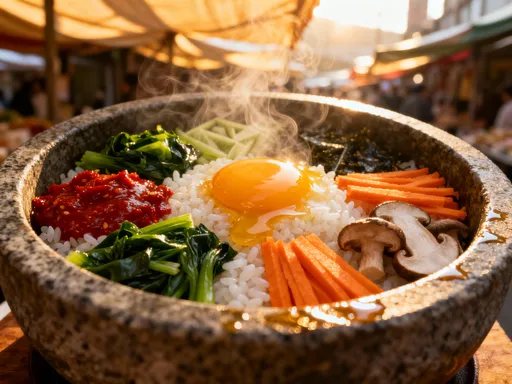
These neighborhood gems thrive on authenticity. There’s no need for elaborate plating or exotic ingredients. A perfectly poached egg atop a bed of frisée, a wedge of creamy chèvre with a drizzle of honey, a slice of ham cut thin from the bone—these are the pleasures that define Angevin dining. For the slow traveler, discovering such a place feels like being let in on a secret, not because it’s hidden, but because it requires time and openness to find.
Market Days: Where Locals Eat and Live
No experience in Angers captures the rhythm of local life quite like the Saturday market at Place du Ralliement. As dawn breaks, the square transforms into a vibrant tapestry of color, scent, and sound. Dozens of stalls rise like a temporary village, each one a testament to the region’s agricultural richness. This is not a market designed for tourists; it’s where Angers residents do their weekly shopping, where grandmothers inspect mushrooms with practiced eyes, and where children beg for samples of fresh goat cheese.
The bounty is staggering. Crates of ruby-red strawberries glisten in the morning light. Bunches of asparagus, still damp with dew, stand upright in wooden boxes. Wheels of chèvre, some rolled in herbs, others dusted with ash, line long tables, each with its own story of origin and aging. Butchers display rillettes in glass jars, their golden fat shimmering under the sun. Bakers offer warm fouées straight from the oven, their aroma weaving through the air like an invitation.
For the slow traveler, shopping here is not a chore but a form of participation. Engaging with vendors—asking about a cheese’s origin, learning how to select the ripest melon, accepting a sample of homemade confit—becomes part of the culinary journey. These interactions are small but meaningful, bridging the gap between visitor and local. A few words in hesitant French, met with a patient smile, can lead to a recommendation for the best apple tart in town or the name of a vineyard just outside the city.
The market also teaches seasonality in the most tangible way. In June, cherries and green garlic dominate; by September, figs and walnuts take over. This connection to the land’s cycles reminds travelers that food is not a commodity but a reflection of time and place. And when you return to your temporary kitchen with a basket full of market finds—a wheel of cheese, a baguette, a bottle of local wine—you’re not just preparing a meal. You’re recreating a moment, building a memory rooted in authenticity.
Wine Without the Hype: Loire Valley Vineyards at a Human Scale
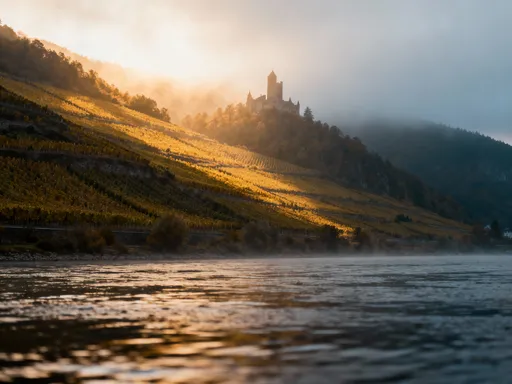
Just beyond the city limits, the rolling hills of the Loire Valley unfold in a patchwork of vineyards, orchards, and farmsteads. This is wine country, but not the kind that demands reservations months in advance or charges exorbitant tasting fees. Here, family-owned caves and small domaines welcome visitors with open doors and open hearts. There are no grand châteaux turned into luxury tasting rooms, no crowds queuing for photo ops. Instead, you’ll find modest farmhouses where the winemaker greets you with a handshake and a glass of something they’re proud to share.
The wines of this area are as varied as the soils that nurture them. On the slopes near Savennières, Chenin Blanc thrives in schist-rich earth, producing whites that are both mineral and honeyed, with a structure that can age for decades. Just a short drive away, the reds of Cabernet Franc bring a lively acidity and notes of red berries and bell pepper, perfect alongside the region’s charcuterie. These are not wines designed to impress critics, but to accompany meals, to enhance conversation, to be enjoyed without ceremony.
A typical tasting might take place at a wooden table in the winemaker’s courtyard, shaded by an old wisteria vine. Glasses are filled with care, and explanations come slowly, in French that mixes technical detail with personal anecdote. You’ll hear about the challenges of a rainy harvest, the joy of a perfect fermentation, the tradition of blending vintages by taste rather than spreadsheet. There’s a humility here, a sense that wine is not a product but a process—one shaped by weather, soil, and human patience.
What makes these experiences so special is their intimacy. You’re not just sampling wine; you’re stepping into a family’s legacy. Children might run through the vines, dogs bark from the barn, and the winemaker might pause mid-sentence to check on a fermenting tank. This is not theater. It’s real life. And when you raise a glass of cool, crisp white under the afternoon sun, you’re not just tasting wine—you’re tasting the land, the season, and the quiet dedication of those who work it.
Cooking Like a Local: Hands-On Experiences That Stick
One of the most profound ways to connect with a place is through its kitchen. In Angers, a growing number of hands-on workshops invite travelers to step beyond the role of diner and into that of apprentice. These are not elaborate culinary boot camps, but accessible experiences designed for home cooks who want to learn, share, and create. Whether it’s shaping a tart with local goat cheese, preserving summer fruits in jars, or learning how to pair wines with regional dishes, these sessions deepen appreciation in a way that passive eating never can.
Many of these workshops take place in community kitchens or on small farms just outside the city. The atmosphere is warm and inclusive, often led by local cooks or artisans who grew up with these recipes. Instructions are clear, demonstrations are unhurried, and mistakes are met with laughter. The goal is not perfection but participation. As you roll out pastry dough or stir a simmering compote, you’re not just following steps—you’re absorbing knowledge passed down through generations.
One memorable session might involve making fouées from scratch—kneading the dough, watching it rise, then baking it in a wood-fired oven. As the bread puffs up and turns golden, the instructor shares stories of Sunday meals with extended family, of holidays centered around the table, of food as the language of love. When you finally bite into your creation, warm and soft with a hint of smokiness, the flavor is amplified by the effort and the story behind it.
These experiences also open doors to connection. Sharing a meal with fellow participants—some local, some from afar—creates a sense of community that lingers long after the trip ends. Recipes are exchanged, emails shared, and promises made to recreate the tart or preserve the jam back home. In this way, cooking becomes more than a skill; it becomes a bridge between cultures, a way of carrying a place with you in your daily life.
Why This Kind of Travel Feeds the Soul
Slow travel in Angers offers more than a change of scenery—it offers a change of perspective. When movement is unhurried and meals are savored, time expands. Moments stretch. A single afternoon might hold a market visit, a quiet lunch, an unplanned conversation, and a long walk along the river. There is no rush to capture it all, because the point is not accumulation but absorption.
This kind of travel feeds the soul because it restores balance. In a world that often equates value with speed and volume, Angers reminds us that depth matters more than distance. A single, perfectly prepared dish eaten at a quiet table can be more nourishing than ten meals rushed between attractions. A conversation with a local vendor can offer more insight than a dozen guidebook entries. True luxury, it turns out, is not found in five-star labels or Instagrammable backdrops, but in attention, presence, and authenticity.
For the 30- to 55-year-old woman who has spent years managing households, careers, and family schedules, this kind of journey is not just a vacation—it’s a reclamation. It’s permission to move slowly, to savor, to listen, to be. It’s a reminder that joy can be found in the simple act of choosing a cheese at the market or watching the light shift on ancient stone walls. Angers doesn’t dazzle with spectacle. It enchants with consistency, with warmth, with the quiet confidence of a place that knows itself.
And when you return home, you don’t just bring back souvenirs. You bring back a slower heartbeat, a deeper breath, a renewed appreciation for the ordinary magic of daily life. You find yourself pausing over your morning coffee, noticing the way the light falls across the kitchen table, remembering the taste of warm bread and the sound of a distant church bell. This is the lasting gift of slow travel—not just memories, but a transformed way of seeing.
Angers teaches us that great travel doesn’t need drama or speed. Sometimes, all it takes is a quiet table, a well-made dish, and the space to truly taste it.