Through the Lens of Sibiu: Where Every Shop Tells a Story
Wandering through Sibiu’s cobblestone streets felt like stepping into a living photo album—each corner framed by pastel buildings, shadowed archways, and windows that watch you like quiet storytellers. I came for the views, but stayed for the shopping—unexpected, authentic, and deeply photogenic. From artisan boutiques to hidden courtyards filled with handmade treasures, Sibiu doesn’t just sell souvenirs; it invites you to capture moments you never knew you needed. This is a city where every shopfront whispers history, every craft reflects generations of skill, and every photograph holds more than scenery—it holds story. In Sibiu, shopping becomes an act of discovery, and photography, a language of connection.
Discovering Sibiu: More Than Just a Pretty Facade
Situated in the heart of Transylvania, Sibiu is a cultural jewel whose charm extends far beyond its postcard-perfect skyline. As a former European Capital of Culture and a city with roots stretching back to the 12th century, it stands as a testament to resilience, artistry, and quiet elegance. The city’s meticulously preserved medieval architecture, with its colorful Baroque facades, tiled rooftops, and the famed ‘eyes’—roof vents shaped like watching ovals—creates a dreamscape that feels both historic and alive. But Sibiu is not a museum frozen in time. It pulses with contemporary energy, particularly in its creative economy and artisan culture. Its streets are not just for sightseeing; they are stages for daily life, craftsmanship, and storytelling.
What sets Sibiu apart is how seamlessly its visual beauty integrates with authentic human experience. While many historic cities prioritize preservation over participation, Sibiu encourages engagement. Locals gather in the squares, artisans open their workshops to curious visitors, and shopkeepers welcome guests like old friends. This accessibility transforms tourism into something richer—an immersive dialogue between traveler and tradition. The city’s aesthetic appeal is undeniable, but it’s the sensory layers beneath—the scent of fresh bread from a corner bakery, the chime of a blacksmith’s hammer in a hidden alley, the soft rustle of handwoven fabric—that elevate a visit into a meaningful journey.
For photographers and mindful travelers, Sibiu offers a rare gift: beauty with depth. It’s a place where you don’t just observe culture—you touch it, wear it, carry it home. Shopping here is not a checklist of souvenirs but a curated exploration of identity, heritage, and creativity. Each purchase, each photograph, becomes a fragment of a larger narrative. Whether you’re drawn to the play of light on cobblestones or the intricate patterns of traditional embroidery, Sibiu invites you to look closer, stay longer, and listen to what the city—and its shops—have to say.
The Heartbeat of the Old Town: Council Square Through a Photographer’s Eye
Piata Mare, or the Great Square, is the vibrant nucleus of Sibiu’s old town—a grand, open space where centuries of history unfold in real time. Surrounded by pastel-hued buildings with ornate facades and steeply pitched roofs, the square is a masterclass in architectural harmony. But its true magic lies in how it lives and breathes with the rhythm of daily life. From dawn to dusk, the light transforms the scene: early morning gilds the rooftops in soft gold, midday brings a crisp clarity perfect for capturing architectural details, and golden hour drapes the square in warm, elongated shadows that turn every passerby into a silhouette of story.
For photographers, Piata Mare is a dynamic canvas. Street vendors set up wooden stalls selling honey, herbal teas, and handmade soaps, their wares arranged like still-life compositions. Musicians play traditional tunes on violin or accordion, their melodies weaving through the air like threads of memory. On weekends and during seasonal festivals, the square hosts craft fairs where local artisans display their work under striped awnings, turning commerce into celebration. These moments—of laughter, exchange, and artistry—are fleeting but photographable, offering images that go beyond postcards to capture the soul of the city.
What makes the shopping experience here particularly compelling is its integration with public life. Unlike sterile shopping malls or tourist bazaars, Piata Mare feels organic. Children chase pigeons between tables, elders sip coffee at sidewalk cafes, and travelers pause to examine a hand-carved spoon or a jar of wildflower jam. These interactions are not staged; they are real, unscripted, and rich with photographic potential. A vendor’s weathered hands wrapping a purchase in brown paper, the steam rising from a coffee cup on a chilly morning, the focused gaze of a child inspecting a wooden toy—these are the quiet moments that, when framed through a lens, become lasting memories.
Timing and perspective are key. Shooting from the upper balcony of one of the surrounding buildings offers a sweeping view of the square’s layout and activity. At ground level, a wide-angle lens can capture the interplay between people and architecture, while a prime lens allows for intimate portraits of both products and people. The key is patience—waiting for the right gesture, the perfect light, or the spontaneous interaction that turns a good photo into a great one. In Piata Mare, shopping isn’t just transactional; it’s theatrical, human, and endlessly photogenic.
Hidden Courtyards and Secret Passageways: Shopping Off the Beaten Path
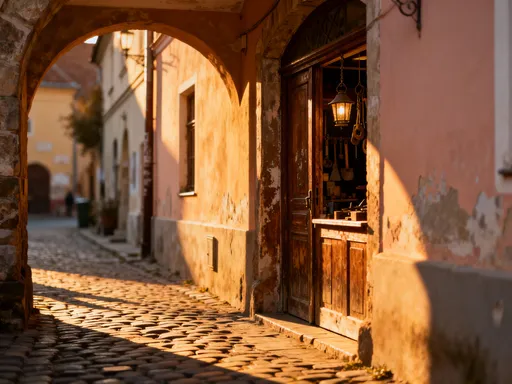
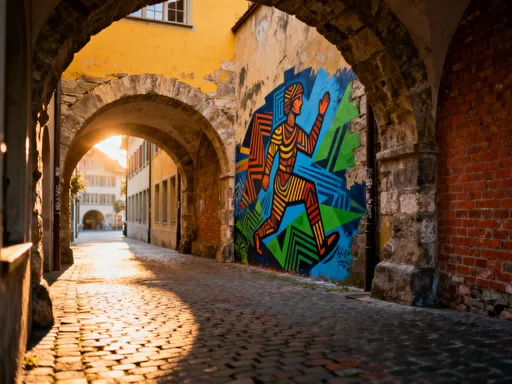
One of Sibiu’s most enchanting features is its network of narrow, vaulted passageways known locally as *coverings*. These dimly lit tunnels, originally built as defensive corridors and storage routes, now serve as secret portals to another world—one of quiet courtyards, family-run workshops, and artisan studios tucked away from the main streets. Walking through a covering feels like stepping into a different era, the stone walls echoing with centuries of footsteps, the air cool and hushed. And then, suddenly, the passage opens into a sunlit courtyard where creativity thrives in its most intimate form.
These hidden spaces are where Sibiu’s true craftsmanship reveals itself. In small ateliers behind wooden doors, potters shape clay on spinning wheels, their hands moving with practiced ease. Weavers sit at looms, threading vibrant yarns into traditional patterns passed down through generations. Painters display canvases that capture the city’s spirit in bold strokes and earthy tones. Unlike mass-produced souvenirs, these items are made slowly, thoughtfully, often to order. Visitors are not just customers but guests—welcomed inside, offered tea, and invited to watch the creative process unfold.
For photographers, these courtyards are treasure troves of authenticity. The contrast between shadow and light, the textures of raw materials, the concentration on an artisan’s face—these elements create powerful, emotionally resonant images. A close-up of hands shaping a ceramic bowl, the reflection of a loom in a dusty window, the way sunlight falls across a half-finished tapestry—these are the details that tell deeper stories. Because these spaces are small and personal, photography here requires sensitivity. A quiet approach, a polite request before shooting, and a willingness to put the camera down and simply observe often lead to the most genuine moments.
Shopping in these courtyards is equally intimate. There are no price tags shouting for attention, no aggressive sales tactics. Instead, conversations unfold naturally—about the meaning of a pattern, the origin of a material, the time it takes to complete a piece. Purchasing a hand-thrown mug or a woolen scarf feels less like a transaction and more like a connection. Each item carries the imprint of its maker, a story waiting to be continued in a home far away. In these hidden corners, Sibiu reveals its quietest, most enduring truth: that beauty lives not in grand displays, but in the details, the hands that shape them, and the moments that bring them to life.
From Handmade Pottery to Traditional Textiles: What to Look For
Sibiu’s artisan offerings are deeply rooted in Romanian folk traditions, blending function, symbolism, and artistry. Among the most cherished crafts are handmade ceramics, traditional textiles, and woodcarvings—each reflecting a regional identity and centuries of cultural memory. When shopping with intention, it’s important to know what makes these items special and how to recognize genuine craftsmanship. This knowledge not only ensures you bring home authentic pieces but also deepens your appreciation for the stories they carry.
Romanian embroidery, for instance, is more than decorative—it is symbolic. Each region has its own patterns, colors, and motifs, often representing protection, fertility, or spiritual beliefs. In Sibiu, you’ll find scarves, blouses, and table linens adorned with intricate geometric designs in red, black, and white—the most traditional palette. Look for even stitching, natural dyes, and fabrics like linen or wool. A true handmade piece will show slight irregularities, not flaws, but signs of human touch. Photographing the details—the way light catches a thread, the shadow of a fold—can help you remember the texture and meaning of the craft long after you’ve returned home.
Hand-thrown pottery is another highlight, particularly pieces made using local clays and wood-fired kilns. These ceramics often feature earthy glazes in warm browns, deep greens, and soft blues, with organic shapes that feel good in the hand. Unlike factory-made tableware, each piece is unique, bearing the mark of the potter’s wheel and flame. When shopping, examine the weight, the smoothness of the rim, and the consistency of the glaze. A well-made mug or bowl will feel balanced and substantial. For photographers, the interplay of light and texture in ceramics offers endless creative possibilities—try shooting a bowl on a windowsill at midday, or a stack of plates in soft morning light to emphasize depth and form.
Woodcarving, too, holds a special place in Transylvanian culture. Artisans craft everything from decorative spoons and bowls to intricate wall hangings featuring floral and folk motifs. Look for clean, precise cuts and smooth finishes, often achieved with hand tools passed down through families. Many carvings incorporate symbols like the sun, the tree of life, or protective animals, each with its own meaning. Purchasing a carved piece supports not just an individual artist but a living tradition. And when you photograph these items—especially in context, perhaps hanging in a workshop or held by the maker—you preserve not just the object, but the culture that made it possible.
Light, Angles, and Timing: Photography Tips for Shopfronts and Stalls
Capturing the essence of Sibiu’s shopping culture requires more than a good camera—it demands attention to light, composition, and timing. The city’s narrow streets and historic buildings create unique challenges and opportunities for photography. Harsh midday sun can create unflattering contrasts, while early morning or late afternoon light offers a soft, golden glow that enhances textures and colors. These times of day, often called the ‘golden hours,’ are ideal for photographing shopfronts, market stalls, and artisans at work.
One effective technique is to use natural reflections. Many of Sibiu’s older shop windows are slightly wavy or aged, creating dreamlike distortions that add artistic depth to your images. Try capturing a vendor arranging goods while the reflection of a passing cyclist blurs across the glass. Another approach is to frame your shot using architectural elements—the arched entrance of a covering, the wooden beams of a courtyard, or the iron scrollwork of a balcony. These features act as natural borders, drawing the viewer’s eye to the subject while grounding the image in place.
When photographing people, always prioritize respect and consent. While it’s tempting to snap candid shots of artisans or vendors, a simple smile and a gesture toward your camera can go a long way. Many are happy to be photographed, especially if you show genuine interest in their work. Some may even invite you to step inside for a better angle or demonstrate their craft. These interactions often yield the most powerful images—ones that convey not just appearance, but presence.
Don’t limit yourself to products alone. The atmosphere around shopping—steam rising from a tea stall, hands exchanging coins, fabric fluttering in a breeze—can be just as compelling. Use a fast shutter speed to freeze motion or a slower one to create gentle blur, suggesting movement and life. Close-ups of textures—woven wool, carved wood, glazed ceramic—can be turned into abstract compositions that highlight craftsmanship. And don’t forget to shoot your own experiences: your hand holding a newly purchased scarf, your shadow falling across a cobblestone path, your reflection in a shop window. These personal touches turn a travel album into a narrative of connection.
Beyond Souvenirs: How Local Shopping Supports Cultural Preservation
When you buy from a local artisan in Sibiu, you’re doing more than acquiring a keepsake—you’re helping sustain a tradition. Many of the crafts sold in the city’s workshops and courtyards are part of Romania’s intangible cultural heritage, passed down orally and through practice. However, like many traditional arts, they face challenges from mass production, globalization, and shifting economic priorities. Younger generations often move to cities or abroad, leaving fewer people to carry on the work. By choosing authentic, handmade goods over imported imitations, travelers play a quiet but vital role in cultural preservation.
Some shops in Sibiu are directly linked to cultural initiatives. A pottery studio might partner with a local NGO to train apprentices in traditional techniques. A textile cooperative could support rural women by providing fair wages and preserving regional embroidery styles. These models ensure that craftsmanship remains not just a memory, but a living, evolving practice. When you purchase from such places, your money supports education, employment, and community resilience. It becomes a form of ethical travel—one that values people as much as places.
Photography, when done with care, amplifies this impact. Sharing images of real artisans, with their names and stories, helps raise awareness and appreciation. It shifts the narrative from ‘exotic souvenirs’ to ‘meaningful crafts,’ encouraging others to seek authenticity in their own travels. But this requires mindfulness. Avoid reducing people to props or stereotypes. Instead, focus on dignity, skill, and context. A photo of a weaver at her loom, captioned with her name and the meaning of her pattern, does more than document—it honors.
In this way, shopping and photography become twin acts of preservation. Each purchase keeps a craft alive. Each photograph spreads its story. Together, they form a bridge between cultures, a quiet exchange of respect and recognition. In a world where traditions can fade quickly, these small acts matter deeply.
Bringing It All Home: Curating Memories Through Photos and Purchases
When your journey through Sibiu ends, the real magic begins—bringing your experiences into everyday life. Unlike generic souvenirs that gather dust on a shelf, the items and images you collect here have the power to spark conversation, evoke emotion, and reconnect you to a place and its people. A hand-embroidered tablecloth isn’t just décor; it’s a daily reminder of the hands that stitched it and the culture it represents. A photograph of a quiet courtyard isn’t just a print; it’s a portal back to the stillness and beauty you felt in that moment.
The most meaningful travel memories are not the ones that stay in albums but the ones that integrate into life. Brewing tea in a handmade Sibiu mug, draping a woolen scarf on a chair, or hanging a carved wooden plaque on the wall—these small rituals keep the journey alive. They turn souvenirs into stories, and stories into legacy. And when you share these items with others—explaining the pattern on a textile, showing a photo of the artisan who made your bowl—you become a storyteller too.
Photography and shopping, when done with intention, are not distractions from travel—they are its heart. They slow us down, make us look closer, listen more carefully, and connect more deeply. In Sibiu, where every shop tells a story and every street holds a frame-worthy moment, the camera and the shopping bag become tools of presence. They remind us that travel is not just about where we go, but how we engage, what we carry forward, and who we become along the way.
So as you plan your visit, come with curiosity open, lens ready, and heart engaged. Walk slowly. Step into the coverings. Talk to the makers. Let the light guide your shots and your choices. In Sibiu, beauty is not just seen—it’s shared, held, and remembered. And in that remembering, the journey never truly ends.