Why Driving Through Philadelphia Feels Like a Movie Scene You’ve Always Wanted to Be In
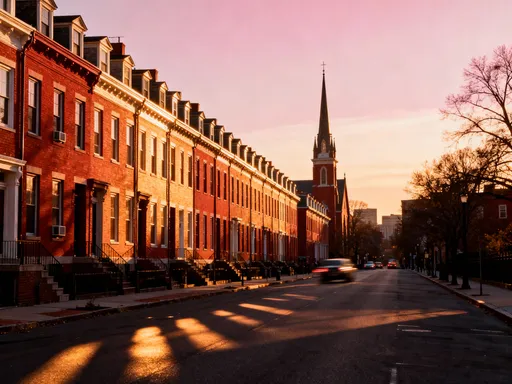
You know that feeling when a city just clicks? For me, it happened cruising into Philadelphia at golden hour, sunlight glinting off red-brick rows and church steeples. This isn’t just a road trip—it’s a front-row seat to history, culture, and unexpected beauty. Whether you're zipping past Center City or winding through leafy suburbs, driving here turns every mile into a living postcard. The hum of the engine, the ease of changing direction on a whim, the quiet moments between landmarks—these are the details that transform a journey into a memory. Let me show you why the best way to see Philly is behind the wheel.
The Freedom of the Open Road to Philadelphia
There’s a unique kind of freedom that comes with driving toward a city rather than flying into it. When you approach Philadelphia by car, you don’t just arrive—you transition. The landscape evolves gradually, offering subtle cues that you’re entering a place layered with history and character. Coming from New York, the dense energy of the interstate softens as you cross into New Jersey and head west. The skyline of Manhattan fades in the rearview, replaced by the rolling hills of the Delaware Valley. From Washington, D.C., the drive north unfolds through Maryland’s suburban corridors, gradually giving way to Pennsylvania’s colonial-era towns and stone farmhouses. Each route tells a story, and behind the wheel, you get to choose the pace.
Self-driving allows for spontaneity that no train or flight can match. You can pause at a roadside farmers’ market in Lancaster County, stretch your legs at a Revolutionary War monument in Trenton, or pull over for a slice of Amish apple pie in a quiet town just outside the city limits. These unplanned moments often become the most cherished parts of a trip. Unlike fixed itineraries or rigid transit schedules, driving grants you the luxury of curiosity. You see a sign for Fairmount Park? You take the exit. A local recommends a hidden jazz club in Northern Liberties? You reroute without hesitation. That sense of control—of being both traveler and navigator—is what makes the drive to Philadelphia so deeply personal.
Moreover, the flexibility of a car enables multi-day exploration without the need to repack or rebook. You can spend a morning in Old City, drive out to the Philadelphia Zoo by afternoon, and end the day with dinner in University City—all without relying on connecting buses or confusing transfers. For travelers with families, older adults, or those carrying luggage, this convenience is invaluable. The car becomes a mobile basecamp, offering comfort, storage, and privacy that public transportation simply can’t provide. It’s not just about getting to Philadelphia—it’s about experiencing the journey as an essential part of the adventure.
First Impressions: What You See When You Enter the City
The moment you cross into Philadelphia, the city reveals itself in layers. If you’re coming from the east via the Benjamin Franklin Bridge, the first sight is unforgettable: the skyline rising gently against the Schuylkill River, Center City’s glass towers flanked by historic church spires. The bridge itself feels like a gateway, its steel arches framing the city like a cinematic proscenium. As you descend into South Philadelphia, the urban fabric becomes more textured—rows of attached brick homes with ornate cornices, corner delis with hand-painted signs, and wide boulevards lined with London plane trees. These details aren’t just background scenery; they’re the soul of the city, best appreciated at street level.
Driving allows you to absorb the scale and rhythm of Philadelphia in a way that flying over or riding a train through it never could. On foot, you might miss how neighborhoods flow into one another—the way Fishtown’s industrial grit gives way to the tree-lined calm of Queen Village, or how West Philadelphia’s academic energy blends into the residential elegance of Powelton Village. But from behind the wheel, you witness these transitions in real time. You notice how the architecture shifts from 19th-century factory lofts to early 20th-century row houses, how street art appears and disappears, how parks emerge unexpectedly between blocks. These visual narratives create a deeper understanding of the city’s identity.
Even the sounds contribute to the experience. The hum of tires on different road surfaces—smooth asphalt in Center City, cobblestone in Society Hill—adds texture to the journey. You hear snippets of conversation from open windows, the distant chime of a church bell, the occasional siren weaving through traffic. These auditory cues, combined with the ever-changing views, make driving into Philadelphia feel immersive, almost cinematic. It’s not just sightseeing; it’s storytelling. And as you navigate the city’s grid, you become part of its ongoing narrative, a quiet observer moving through decades of history and modern life.
Center City: Where History Meets Modern Energy
At the heart of Philadelphia lies Center City, a dynamic district where colonial heritage and contemporary vitality coexist. Driving through this area offers a rare opportunity to see American history not as a static exhibit, but as a living, breathing part of daily life. Along Benjamin Franklin Parkway, often called the city’s “Museum Mile,” the road sweeps like a grand European boulevard, flanked by cultural landmarks. The Philadelphia Museum of Art rises at the end, its steps famously linked to Rocky’s iconic run. Driving up the parkway at dusk, with the museum’s columns lit in warm gold, feels like entering a scene from a classic film—epic, inspiring, and deeply American.
Just a few blocks south, Independence National Historical Park surrounds you with the weight of the nation’s founding. While many tourists walk the Liberty Bell and Independence Hall grounds, drivers have the advantage of perspective. Parking near Logan Square lets you step out and take in the full sweep of the area—the green space, the federal buildings, the steady stream of visitors—before returning to your car to continue exploring. Driving slowly down Chestnut Street, you pass Federal-style buildings that once housed revolutionary thinkers, now repurposed as cafes, boutiques, and law offices. This blend of past and present is uniquely Philadelphia, and being behind the wheel allows you to appreciate it at your own pace.
Traffic in Center City moves steadily but rarely at a standstill, especially outside rush hours. This makes short drives between landmarks both efficient and enjoyable. You can park near City Hall—a stunning example of Victorian Gothic architecture—and walk into the bustling Reading Terminal Market, then return to your car to head west toward Rittenhouse Square. That square itself, with its fountain, shaded benches, and surrounding brownstones, is best viewed from a slow-moving car, giving you a sense of its place within the neighborhood’s layout. For visitors, this kind of spatial awareness—understanding how sites relate to one another—is invaluable. It transforms a list of attractions into a cohesive experience, rich with context and connection.
Hidden Neighborhoods Only Drivers Discover
While Center City draws the crowds, some of Philadelphia’s most authentic charm lies in its lesser-known neighborhoods—areas that are easy to miss without a car. East Falls, nestled along the Schuylkill River, is one such gem. With its quiet, winding streets, ivy-covered stone homes, and views of the river’s gentle bends, it feels more like a New England village than part of a major city. Drivers can follow Ridge Avenue as it climbs into the hills, passing historic churches and small parks tucked between residential blocks. Parking is manageable, and the pace of life invites lingering—a perfect spot for a midday break with coffee from a local bakery.
Mount Airy, to the northwest, offers a different kind of serenity. Known for its long-standing commitment to racial integration and community activism, it’s a neighborhood where tree-lined avenues stretch for blocks, and Victorian and Tudor homes stand proudly behind well-kept lawns. Driving through Mount Airy, especially in the fall when the leaves turn amber and crimson, feels like moving through a storybook. Awbury Arboretum, a 167-acre public garden, is easily accessible by car and offers parking right at its entrance—a convenience walkers might struggle to find. The ability to stop, explore, and return to your vehicle makes visits like this both relaxed and rewarding.
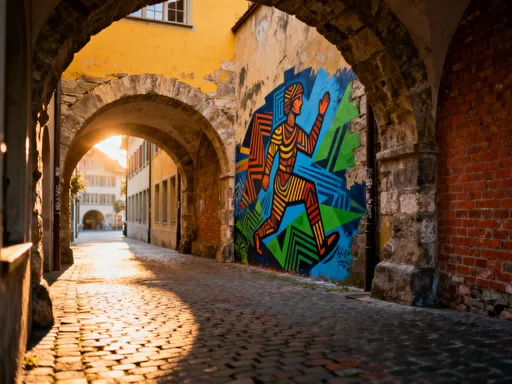
Queen Village, just south of Washington Avenue, is another driver-accessible delight. While popular with locals, it remains off the typical tourist path. Its narrow, cobblestone side streets are lined with colorful row houses, independent bookstores, and cozy cafes. Driving through, you’ll notice vibrant murals celebrating the neighborhood’s maritime history and diverse cultures. Finding street parking takes patience, but the effort pays off. You can park near Penn’s Landing and walk to the Delaware River waterfront, then drive back along Bainbridge Street, soaking in the neighborhood’s quiet elegance. These hidden corners reveal a Philadelphia that’s lived-in, layered, and full of character—best discovered not on a guided bus tour, but on your own four wheels.
Sunset Drives and Nightscapes: Philly After Dark
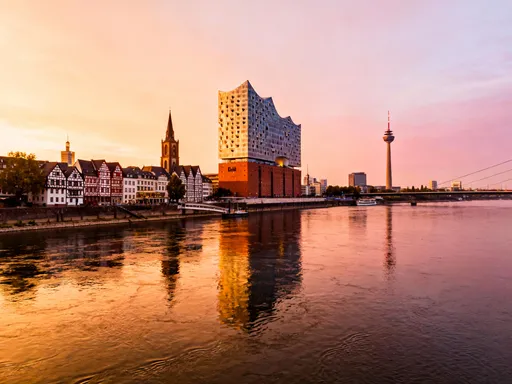
As daylight fades, Philadelphia transforms. The city’s skyline, illuminated against the evening sky, casts shimmering reflections on the Schuylkill and Delaware Rivers. One of the most peaceful ways to experience this is by driving along Kelly Drive, a scenic roadway that follows the curve of the Schuylkill. In the golden hour, runners, cyclists, and rowers are still active, but as night falls, a quiet calm settles in. With the city lights twinkling across the water and the soft glow of streetlamps guiding your path, the drive feels almost meditative. There’s no rush, no pressure—just the gentle rhythm of the road and the beauty of the city unfolding in the dark.
Another unforgettable route is a loop around Center City after sunset. Starting at City Hall, now dramatically lit in white or seasonal colors, you can drive down Broad Street, then loop onto Walnut and back via 15th Street. The contrast between historic buildings and modern lighting creates a striking visual tapestry. At night, the traffic thins, making for smooth, stress-free navigation. Street parking is often easier to find, and the reduced noise level enhances the sense of intimacy. You’re not just seeing the city—you’re feeling its pulse.
For a more elevated view, consider driving up to Belmont Plateau in Fairmount Park. The road climbs gently, and at the top, you’ll find a panoramic overlook of the entire city. On clear nights, the skyline stretches for miles, dotted with lights from skyscrapers, bridges, and distant neighborhoods. It’s a perfect spot to pause, take photos, or simply sit in the car and reflect. Unlike crowded observation decks, this vantage point is free, quiet, and accessible to anyone with a car. Night driving in Philadelphia, far from feeling risky, offers a rare blend of safety, serenity, and beauty—ideal for those who appreciate the city’s quieter, more contemplative side.
Scenic Routes Beyond the Center: From Wissahickon to the Delaware
While Center City is the heart of Philadelphia, some of the most memorable drives begin just beyond its borders. Wissahickon Valley Park, stretching over 2,000 acres in the northwest, is a haven for nature lovers and history enthusiasts alike. The main road, Forbidden Drive, is a gravel path closed to motor vehicles, but the surrounding streets—like Lincoln Drive and Wissahickon Avenue—offer stunning access points. Driving along these winding roads, you’re surrounded by dense forest, rocky outcrops, and the rushing Wissahickon Creek. Historic stone bridges and remnants of old mills add a timeless quality to the scenery. Parking areas near the park’s entrances make it easy to step out for a short hike or picnic, then continue your drive refreshed and inspired.
Another scenic option is the drive along the Delaware River, particularly from Penn’s Landing up to the Betsy Ross Bridge. This route offers unobstructed views of the river, passing marinas, public parks, and the occasional freighter moving slowly downstream. The air feels fresher here, and the open horizon provides a sense of space often missing in dense urban areas. Along the way, you can stop at Penn Treaty Park, traditionally believed to be the site of William Penn’s peaceful agreement with the Lenape people—a moment of historical significance that adds depth to the journey.
For a taste of suburban elegance, the Main Line route—technically a series of towns west of the city along the historic Pennsylvania Railroad—is worth exploring. While not within Philadelphia proper, towns like Bryn Mawr, Haverford, and Ardmore are easily reachable by car and offer a glimpse into a different facet of the region’s character. Tree-shaded streets, grand estates, and well-kept gardens reflect a legacy of affluence and refinement. Driving through these areas, especially in spring or fall, feels like stepping into a different era—one of quiet dignity and natural beauty. These excursions extend the Philadelphia experience beyond the city limits, offering variety and contrast to the urban core.
Practical Tips for a Smooth and Memorable Drive
To make the most of your Philadelphia driving experience, a few practical considerations can go a long way. First, timing matters. Weekday mornings before 9 a.m. and evenings after 6 p.m. are ideal for navigating Center City with minimal traffic. Weekends, especially Saturdays, can be busy, but also offer the liveliest street scenes and open markets. If you plan to visit popular attractions like the Philadelphia Museum of Art or Reading Terminal Market, arriving early ensures easier parking and shorter lines.
Parking apps like ParkMobile and SpotHero are highly recommended. They allow you to reserve spots in advance, view real-time availability, and pay digitally—eliminating the stress of circling blocks in search of a metered space. Many garages and lots in Center City accept these apps, and some even offer discounted rates for early bookings. Street parking is available in most neighborhoods, but always check signage for time limits, permit zones, and alternate-side parking rules, which are strictly enforced in certain areas.
Tolls are minimal within the city, but if you’re crossing the Ben Franklin or Walt Whitman Bridges from New Jersey, E-ZPass or toll-by-mail systems apply. Having a rental car with a transponder or ensuring your license plate is registered for electronic billing will prevent unexpected charges. Navigation tools like Google Maps or Apple Maps are reliable for routing, but it’s wise to download offline maps in case of spotty signal in underground parking or remote park areas.
Finally, remember that rest is part of the journey. Philadelphia is best explored in segments, not marathons. Plan for breaks—whether at a neighborhood coffee shop, a riverside bench, or a quiet park. Let the city reveal itself gradually. Bring water, keep a small map as backup, and allow room for detours. The goal isn’t just to see everything, but to feel connected to the places you pass through. With thoughtful planning and an open mind, your drive through Philadelphia can be as enriching as it is beautiful.
Conclusion
Driving through Philadelphia isn’t just about getting from point A to B—it’s about experiencing the rhythm of the city, block by block, light by light. When you’re behind the wheel, you’re not just visiting history—you’re moving through it. You feel the shift from bustling avenues to quiet residential streets, witness the play of sunlight on centuries-old brick, and discover corners of the city that exist beyond guidebooks. This is travel with soul, space, and stunning views at every turn. The car becomes more than a vehicle; it’s a companion on a journey of discovery. So hit the road, let curiosity guide you, and allow Philadelphia to reveal itself—one mile, one moment, one movie-like scene at a time.