You Won’t Believe These Viewpoints While Shopping in Milos
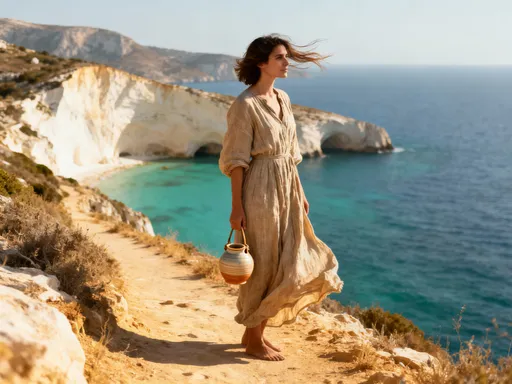
Imagine strolling through charming local shops, then suddenly—your breath is taken by panoramic cliffs overlooking turquoise coves. In Milos, Greece, shopping isn’t just about souvenirs; it’s woven into the island’s most stunning viewpoints. I never expected that picking up handmade ceramics could lead to secret spots with heart-stopping beauty. This is more than retail—it’s a sensory journey where every turn reveals both culture and coastline. Milos offers a rare travel experience: one where everyday activities like browsing for gifts or buying local soap become gateways to awe-inspiring scenery. Here, commerce and nature don’t compete—they complement each other in quiet harmony.
The Unexpected Blend of Shopping and Scenery
Milos, a volcanic island nestled in the Cyclades, stands apart from its more famous neighbors like Mykonos and Santorini. While those islands draw crowds for nightlife and caldera views, Milos captivates with raw, untouched beauty and a slower rhythm of life. Its landscape is shaped by ancient eruptions—rugged coastlines, sea caves, and cliffs carved by wind and water over millennia. But what truly sets Milos apart is how naturally exploration blends with daily activity. Visitors quickly discover that shopping here is not confined to air-conditioned malls or crowded market tents. Instead, it unfolds along sun-dappled lanes, seaside paths, and hillside alleys that open unexpectedly onto breathtaking vistas.
Unlike conventional tourist destinations where shopping and sightseeing are separate events, Milos integrates them seamlessly. A visit to a small family-run shop might begin with the scent of dried herbs and handmade soaps, then end with a quiet moment on a stone bench overlooking a secluded bay. These moments aren’t staged or ticketed—they emerge organically. The island’s topography ensures that elevation changes are frequent, and with them come spontaneous rewards: sweeping panoramas, golden-hour light dancing on the water, and the soft murmur of waves far below. This fusion of commerce and scenery transforms errands into experiences, making even the simplest outing feel meaningful.
Why Viewpoints Matter in the Milos Experience
The emotional power of a great viewpoint cannot be overstated. In Milos, these vantage points do more than offer pretty photos—they deepen connection. When you pause on a rocky outcrop and see the Aegean stretching endlessly, dotted with tiny islets and framed by volcanic cliffs, something shifts. The island’s essence becomes tangible. This emotional resonance is heightened when the journey to the view begins with a shopping stop. Instead of rushing from attraction to attraction, travelers move at a natural pace, allowing space for discovery.
Milos’s geology plays a crucial role in this experience. Formed by volcanic activity millions of years ago, the island features dramatic elevation changes within short distances. What starts as a flat walk along a harbor path can gently rise into a hillside trail, revealing new layers of scenery. These inclines are not obstacles—they are invitations. Many of the island’s best-known lookouts are accessed via routes that pass artisan shops, small markets, or local galleries. This means that even if your original goal was to buy a gift or sample local honey, you’re likely to end up with something far more valuable: a memory etched in light and sea and sky.
Moreover, combining shopping with viewpoint hunting maximizes both time and immersion. Rather than dedicating entire days to either culture or nature, visitors experience both simultaneously. This integrated approach reflects a growing trend in mindful travel—one that values authenticity over checklist tourism. In Milos, you don’t need to choose between buying a hand-thrown bowl and watching the sunset over the sea. You can do both, and the two acts enrich each other. The bowl carries more meaning when you’ve seen the cliffs where the clay was sourced; the sunset feels deeper when you’ve walked past blooming bougainvillea and chatted with a local potter moments before.
Pollonia: A Charming Harbor Hub with Elevated Rewards
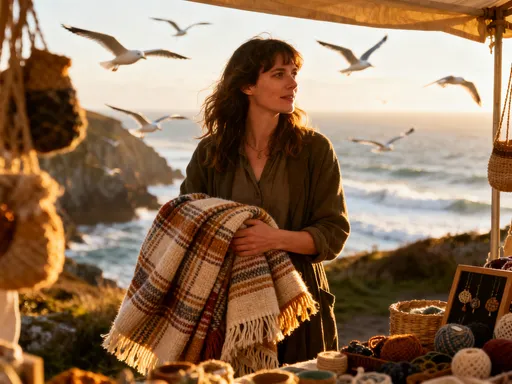
Pollonia, a peaceful fishing village on the northeastern coast, exemplifies how tranquility and beauty coexist in Milos. With its small harbor, family-run tavernas, and quiet streets, it’s a favorite among visitors seeking a slower pace. Yet, despite its modest size, Pollonia offers rich opportunities for both shopping and scenic discovery. Along the waterfront, a string of boutique shops and artisan stalls sell locally made goods—from delicate shell jewelry to hand-knit linen scarves. These items reflect the island’s maritime spirit, often incorporating natural materials like sea glass, driftwood, and locally dyed cotton.
What makes shopping in Pollonia special is the way it leads upward—literally. From the eastern end of the harbor, a well-maintained footpath winds gently uphill, following the curve of the bay. As you climb, the sounds of the village fade, replaced by the rustle of olive trees and the distant cry of gulls. Within ten minutes, the path opens onto a wide terrace with an unobstructed view of the Aegean. On clear days, you can see across to the island of Kimolos, its silhouette soft against the horizon. The contrast is striking: one moment you’re examining a pair of earrings made from seashells, the next you’re standing in silence, absorbing a seascape that feels timeless.
This transition from commerce to contemplation happens effortlessly. There are no signs directing you to ‘Viewpoint #3’—just a natural progression from street level to elevation. Many visitors report that these unplanned pauses are the most memorable parts of their trip. A mother shopping for gifts for her daughters finds herself pausing to watch a fishing boat return at dusk. A couple browsing for souvenirs ends up sharing a quiet moment on a stone wall, sipping water and watching the light change over the water. These are not staged experiences; they are gifts of the island’s design, where human activity and natural beauty exist in gentle balance.
Plaka: The Hidden Gem Above Adamas
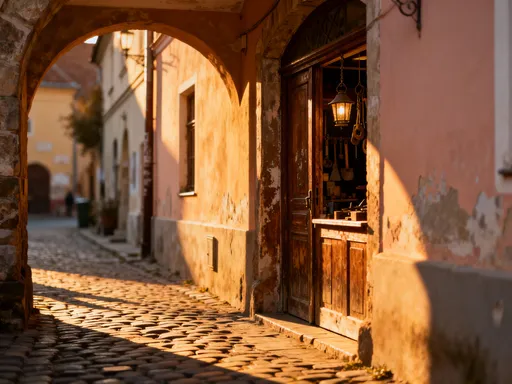
Rising above the bustling port of Adamas, Plaka is the island’s capital and one of its most enchanting settlements. Perched on a hillside, this whitewashed village unfolds in a maze of narrow, winding streets, each turn revealing a new perspective. Unlike modern towns built on grids, Plaka follows the land’s contours, creating a sense of constant discovery. As you wander, small shops appear in converted stone houses—some open only in summer, others run year-round by local artisans. These stores offer a curated selection of island-made products: hand-painted tiles, woven baskets, and olive wood utensils carved from local trees.
What makes shopping in Plaka unique is its verticality. Because the village climbs steeply, every few steps bring a change in elevation. A store selling herbal teas might sit at the base of a flight of stairs; at the top, a small plaza opens to a view of Adamas harbor far below. The sudden drop-offs are not dangerous—stone railings and low walls provide safety—but they are dramatic. One moment you’re indoors, smelling dried oregano and thyme; the next, you’re outside, gazing at a panorama of blue water, moored boats, and the distant coastline.
Sunset is an especially magical time in Plaka. As the sun dips toward the sea, the white walls glow gold, and the sky shifts through shades of pink and orange. Many of the shopping routes double as viewpoint trails during these hours. Locals and visitors alike take evening strolls, stopping to chat outside family homes or sip coffee at open-air cafes. Shop owners often remain at their doors, happy to point out the best spots for photography or quiet reflection. There’s no pressure to buy—just an invitation to enjoy the moment. This blend of commerce and community creates a warmth that’s hard to find in more commercialized destinations.
Adamas: Where Commerce Meets Coastal Drama
Adamas, the island’s main port and commercial heart, is where daily life in Milos pulses most strongly. Its waterfront promenade is lined with shops, cafes, and small galleries, offering everything from volcanic stone carvings to jars of local honey infused with thyme. The town’s energy is lively but never overwhelming. Fishermen unload their catch in the morning, children ride bikes along the marina, and shopkeepers greet regulars by name. This authenticity makes shopping in Adamas feel personal, not transactional.
What surprises many visitors is how quickly the urban setting gives way to natural beauty. Along the edge of the marina, a series of elevated walkways cling to the hillside, offering front-row views of the harbor and beyond. These paths are not tourist attractions in the traditional sense—they’re part of the town’s infrastructure, used by residents going to work or taking evening walks. Yet they provide some of the most accessible and rewarding viewpoints on the island. After buying a bottle of local olive oil or a hand-bound notebook from a street vendor, it’s easy to continue along the path and find a quiet bench overlooking anchored yachts and the open sea.
The integration of commerce and scenery is particularly evident here. A pharmacy on the main street has a small balcony with a view of the bay. A grocery store’s upper floor doubles as a viewing platform. Even routine errands become opportunities for beauty. This isn’t by accident—it’s a result of thoughtful urban design shaped by geography. Because the town is built on a slope, elevation is built into daily movement. You don’t need to hike for an hour to see something stunning; sometimes, all it takes is stepping out the back door of a shop and turning left.
Proximity Play: How Distance Enhances Discovery
One of Milos’s greatest strengths is how close its treasures are to one another. Major landmarks like Sarakiniko Beach—with its moon-like rock formations—are only a short walk or drive from shopping areas. This proximity encourages exploration without requiring elaborate planning. For example, after purchasing a handmade ceramic dish in a Plaka shop, a visitor might decide to walk toward the northern coast. Within fifteen minutes, they could be standing at the edge of Sarakiniko, looking down at swimmers in crystal-clear coves. The transition from shopping to sightseeing feels natural, almost inevitable.
Similarly, buying local products often leads directly to their source. A shop selling fig soap might be located just above a small orchard where the fruit is grown. A store offering volcanic stone jewelry could be steps away from a quarry where the material was extracted centuries ago. This closeness fosters a deeper understanding of the island’s culture and resources. It’s one thing to buy a souvenir; it’s another to see the landscape that inspired it. These connections make purchases more meaningful and memories more vivid.
The island’s network of footpaths further enhances this sense of discovery. Many trails are not marked on official maps but are well-known to locals. A slight detour after buying a bar of lavender-scented soap might lead to a hidden cove or a quiet overlook where goats graze on the cliffs. These spontaneous detours are part of what makes Milos so special. They reward curiosity and movement, reminding travelers that the best experiences often come from wandering, not waiting.
Practical Tips for Combining Shopping and Viewpoint Hunting
To fully enjoy Milos’s unique blend of shopping and scenery, a few practical considerations can make a big difference. First, wear comfortable walking shoes. The island’s terrain is uneven, with cobblestone streets, gravel paths, and natural rock steps. Sandals with good support are ideal—avoid heels or flimsy flip-flops. Second, carry a reusable water bottle, especially in summer. The sun can be intense, and staying hydrated ensures you can explore comfortably throughout the day.
Timing matters, too. Early mornings and late afternoons offer the best light for photography and the most comfortable temperatures. Shops in smaller villages like Pollonia may open later in the day, but Plaka and Adamas have longer hours. Visiting at these times also means fewer crowds, allowing for more peaceful moments at viewpoints. Sunrise over the eastern coast and sunset from Plaka’s terraces are particularly worth planning around.
Bringing a lightweight, foldable tote bag is another smart move. It allows you to carry purchases without strain while leaving your hands free for climbing or拍照. Many local shops use minimal packaging, aligning with the island’s eco-conscious values, so having your own bag supports sustainability.
Perhaps the most valuable tip is to talk to shop owners. These individuals are often lifelong residents with deep knowledge of the area. They can point out lesser-known trails, recommend quiet spots for lunch with a view, or share stories about the island’s history. A simple conversation can lead to a hidden gem—a bench overlooking a secluded bay, a family-run bakery with the best spanakopita, or a path that leads to a centuries-old chapel with panoramic views. Their insights turn a simple shopping trip into a personalized journey.
Finally, always respect private property and marked trails. While the urge to explore is natural, some areas are protected for environmental or safety reasons. Staying on designated paths preserves the island’s beauty for future visitors and ensures your safety, especially near cliff edges. Milos rewards mindfulness—not just in how you travel, but in how you connect with its landscape and people.
Milos as a Model of Integrated Travel
Milos redefines what shopping can be. It shows that commerce doesn’t have to be separate from nature, culture, or wonder. Here, buying a gift is not a chore to rush through, but a doorway to deeper experience. Every purchase carries a story—of the hands that made it, the land that inspired it, and the view you saw just moments before. This integration creates a travel rhythm that feels authentic and nourishing.
The island’s true gift is its invitation to slow down. In a world that often prioritizes speed and efficiency, Milos reminds us that beauty emerges in the in-between moments. It’s in the pause between browsing a shelf and stepping outside to catch your breath at the view. It’s in the conversation with a potter who tells you where to watch the stars at night. It’s in the quiet walk back to your rental, bag in hand, heart full.
For women in their 30s to 55s—many of whom balance family, work, and personal well-being—this kind of travel is especially meaningful. It offers restoration without extravagance, discovery without stress. It’s travel that feels both enriching and grounding. Milos doesn’t shout for attention; it whispers. And in that whisper is a powerful message: that joy can be found not in grand gestures, but in the simple act of paying attention.
So the next time you plan a trip, consider rethinking your itinerary. Let shopping lead you somewhere unexpected. Let a purchase be the start of a climb, a conversation, a moment of awe. In Milos, the path from marketplace to viewpoint is not a detour—it’s the destination. And in that journey, you may just find not only beautiful souvenirs, but a renewed sense of wonder.