You Won’t Believe What I Discovered in Lucerne’s Hidden Art Scene
Lucerne isn’t just lakes and mountains—it’s a living canvas. Wandering its cobblestone streets, I stumbled upon open-air murals, intimate galleries, and centuries-old traditions still breathing in every corner. This city blends Swiss precision with creative soul in ways I never expected. If you think art stops at museums, think again—Lucerne pulls you into a world where culture isn’t just seen, it’s felt. The harmony between nature and human expression creates a rhythm that lingers long after you leave. Here, art is not confined to frames or galleries; it flows through alleyways, reflects off the lake, and echoes in the laughter of locals gathered in sunlit squares. This is a destination that invites deeper looking, slower walking, and more heartfelt connection.
Arrival in Lucerne: First Impressions Beyond the Postcard
As the train glides into Lucerne’s compact station, the first glimpse of the city unfolds like a carefully composed painting. The shimmering surface of Lake Lucerne stretches out beneath snow-dusted peaks, while the iconic Chapel Bridge peeks through the morning mist. Yet beyond this postcard-perfect panorama, subtle signs of artistic life begin to emerge. A violinist plays near the station exit, her melody curling around passersby with quiet grace. Nearby, a bronze sculpture of a leaping fish catches sunlight, a whimsical nod to the lake’s presence in daily life. These moments—small, unobtrusive, yet deeply intentional—signal that Lucerne is not merely scenic, but sensitively curated.
What sets Lucerne apart is how naturally it guides visitors toward cultural discovery without ever feeling forced. The city’s layout, with its radial walkways and pedestrian-friendly core, encourages exploration on foot. As travelers move from the train station toward the heart of the old town, they pass under ornate arcades where centuries-old frescoes peek from beneath weathered plaster. These architectural details, often overlooked, serve as quiet invitations to look closer. Even the paving stones tell stories—some engraved with historical dates, others subtly colored to mark old trade routes. The city does not shout its artistry; it whispers it, rewarding those who take the time to listen.
This seamless blend of natural grandeur and human creativity defines Lucerne’s identity. While the Alps provide a majestic backdrop, it is the thoughtful integration of art into everyday spaces that gives the city its soul. Public sculptures appear at unexpected turns—a bronze heron near a canal, a mosaic-tiled bench in a quiet courtyard. These elements do not compete with the landscape; they converse with it. The result is an environment where beauty feels lived-in, not staged. For travelers seeking more than scenic views, Lucerne offers a richer experience: one where every detail contributes to a deeper sense of place and belonging.
The Soul of the Old Town: Where History Meets Street Art
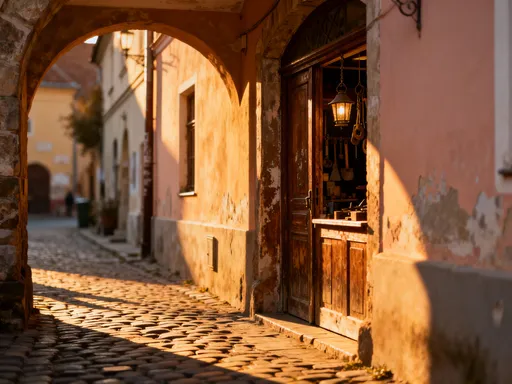
Stepping into Lucerne’s old town is like entering a living museum where history and contemporary expression coexist in harmony. The narrow, cobbled lanes wind beneath covered walkways, their upper floors leaning slightly inward as if sharing secrets across the centuries. At first glance, the architecture dominates—colorful facades, gabled roofs, and intricate woodwork—but a closer look reveals a dynamic layer of modern artistry woven into the historic fabric. Hand-painted shop signs, crafted by local artisans, display elegant calligraphy that feels both nostalgic and alive. These are not mass-produced signs but unique works of lettering art, each contributing to the neighborhood’s visual rhythm.
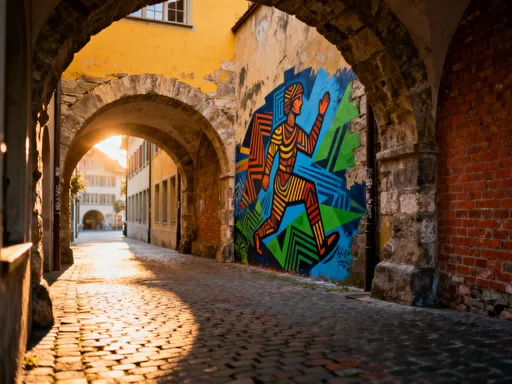
Alongside these traditional touches, street art adds a bold counterpoint. Stencil graffiti appears on side walls, often humorous or thought-provoking, yet never disruptive. Unlike in some cities where urban art clashes with heritage, in Lucerne, it feels like a respectful dialogue. One mural depicts a historical figure wearing modern headphones, blending past and present in a single image. Another, tucked in a quiet courtyard off Kornmarkt, uses shadow play to transform a blank wall into a shifting canvas throughout the day. These pieces do not deface the old town; they animate it, offering fresh perspectives on timeless spaces.
Public squares like Hirschenplatz serve as informal galleries where local artists occasionally display small-scale installations or host pop-up exhibitions. Without formal signage or admission fees, these moments feel organic, almost accidental. A wooden sculpture of intertwined hands might appear for a week, then vanish just as quietly. This impermanence adds to the charm—art here is not always meant to last, but to spark a moment of reflection. The coexistence of preservation and innovation reflects a broader Swiss value: respect for tradition, paired with openness to change. In Lucerne, the past is not frozen; it is continually reinterpreted, allowing both residents and visitors to see their surroundings with fresh eyes.
Kunstmuseum Luzern: A Deep Dive into Swiss Visual Culture
At the heart of Lucerne’s artistic landscape stands the Kunstmuseum Luzern, a cultural anchor that bridges historical depth with contemporary relevance. Housed in a striking modern building that contrasts yet complements its surroundings, the museum offers a carefully curated journey through Swiss visual culture. Its permanent collection includes works from the 19th and 20th centuries, showcasing Swiss artists who grappled with identity, landscape, and social change. Rotating exhibitions bring in international voices, creating a dynamic exchange between local and global perspectives. What makes the Kunstmuseum especially accessible is its commitment to clarity—wall texts are informative but never academic, and guided tours are available in multiple languages, making art approachable for all.
One of the museum’s strengths lies in how it connects artistic expression to broader societal themes. An exhibition on Swiss neutrality, for example, might juxtapose wartime-era paintings with modern installations exploring peace and conflict. Another might trace the evolution of landscape painting, showing how artists’ depictions of the Alps have shifted from romantic idealization to ecological awareness. These thematic approaches help visitors understand art not as isolated aesthetics, but as reflections of cultural values and historical moments. For families and casual travelers, this context enriches the experience, transforming what could be a passive viewing into an engaging conversation.
The Kunstmuseum also plays a vital role in shaping Lucerne’s creative identity. It is not just a repository of art, but a space for dialogue and learning. Educational programs for children, workshops for adults, and public lectures foster community engagement. Temporary installations in the museum’s atrium often invite interaction—visitors might be asked to contribute thoughts on a shared theme or rearrange movable sculptures. This participatory spirit reinforces the idea that art is not something distant or elite, but a living part of civic life. For travelers, a visit here offers more than visual pleasure; it provides insight into the Swiss mindset, where precision, restraint, and thoughtful expression converge.
Pavilion am Hertenstein: Art That Talks to the Lake
Just a short walk from the city center, nestled along the eastern shore of Lake Lucerne, the Pavilion am Hertenstein offers a unique fusion of art, architecture, and nature. This unassuming cultural venue, housed in a modern glass-and-wood structure, serves as a platform for experimental exhibitions and community-driven projects. Its location is integral to the experience—large windows frame panoramic views of the water, and outdoor terraces extend the gallery space into the landscape. Light plays a central role here; in the morning, it spills across polished concrete floors, while in the evening, reflections from the lake dance on the ceiling. This interplay between interior and exterior transforms the way art is perceived, making the environment itself a collaborator in the creative process.
Exhibitions at the Pavilion often explore the relationship between human intervention and natural systems. One temporary installation featured suspended glass orbs that refracted sunlight into shifting patterns on the walls, mimicking the movement of water. Another used sound recordings from the lakebed, played through hidden speakers, to create an immersive auditory experience. These works do not dominate the space; they respond to it, inviting visitors to slow down and attune their senses. The Pavilion’s programming emphasizes sustainability and local engagement, frequently partnering with regional artists and environmental groups. This focus on place-based creativity makes each visit feel distinct, shaped by the rhythms of the lake and the seasons.
What truly sets the Pavilion apart is its accessibility. Unlike traditional museums, it does not require tickets or formal entry. Visitors might stumble upon it during a lakeside stroll, drawn in by an open door or the sound of music. Events such as poetry readings, small concerts, or craft markets further dissolve the boundary between art and daily life. For families, the space offers a relaxed atmosphere where children can explore without fear of disrupting displays. This ease of access ensures that culture is not reserved for special occasions, but integrated into the flow of ordinary moments. In a world where art can feel exclusive, the Pavilion am Hertenstein stands as a quiet revolution—a reminder that creativity thrives best when it is open, responsive, and rooted in place.
Local Craftsmanship: Inside Lucerne’s Ateliers and Workshops
Beyond galleries and public installations, Lucerne’s artistic spirit lives in its workshops, where skilled artisans continue age-old traditions with modern relevance. These small studios, often tucked into quiet side streets or above family-run shops, are spaces of quiet dedication. In one, a woodcarver shapes intricate floral patterns into alpine pine, his tools worn smooth from decades of use. In another, a textile artist dyes silk using plant-based pigments, creating scarves that capture the hues of mountain meadows. These crafts are not relics of the past, but living practices that evolve with contemporary design and sustainable values. Many artisans now incorporate eco-friendly materials, minimalist aesthetics, and functional forms, appealing to a new generation of appreciators.
For travelers, the opportunity to observe these crafts in person is one of Lucerne’s most rewarding experiences. Some workshops offer guided visits or short demonstrations, allowing guests to see the creative process unfold in real time. Watching a watchmaker adjust tiny gears under a magnifying lamp, or a potter shape clay on a spinning wheel, fosters a deep appreciation for patience and precision. These moments connect visitors to the human hands behind beautiful objects, transforming souvenirs into meaningful keepsakes. Several cultural tourism programs now include studio tours as part of curated itineraries, emphasizing authenticity over spectacle. This shift reflects a growing desire among travelers to engage with culture in a more personal, respectful way.
The continuity of craftsmanship in Lucerne speaks to a broader cultural value: the belief that beauty and utility can coexist. A hand-carved walking stick is not just decorative; it is built to last, designed for mountain trails. A hand-stitched leather journal is both functional and artistic. This integration of form and function resonates with visitors, especially those seeking alternatives to mass-produced goods. Moreover, many artisans are committed to passing their skills to younger apprentices, ensuring that these traditions endure. In a fast-paced world, Lucerne’s workshops offer a counterpoint—a space where time slows, attention deepens, and creation is honored as both art and livelihood.
Festivals and Performances: When the City Becomes the Stage
Throughout the year, Lucerne transforms into a vibrant stage for cultural performance, where music, theater, and public celebration blur the lines between audience and artist. The most renowned of these is the Lucerne Festival, an internationally acclaimed classical music event that draws world-class orchestras and soloists to the city each summer and winter. Concerts take place in the grand KKL Lucerne, a modern concert hall celebrated for its acoustics, but also in smaller churches and outdoor venues. The festival’s programming balances masterpieces from the classical repertoire with contemporary compositions, reflecting Lucerne’s dual commitment to heritage and innovation. For visitors, attending a performance is not just about hearing great music—it’s about sharing a collective moment of listening, where silence becomes as powerful as sound.
Yet the city’s cultural energy extends far beyond classical music. In spring and summer, Theater Kulturplatz stages open-air performances in public squares, turning everyday spaces into dynamic theaters. Actors perform everything from Swiss folklore to modern adaptations of European classics, often incorporating audience interaction. These shows are free or low-cost, ensuring broad accessibility. Families gather on benches or sit on the ground, children laughing at physical comedy, adults nodding at subtle social commentary. The informality of these events fosters a sense of community, where culture feels inclusive rather than elite. Even the weather becomes part of the performance—occasional rain prompts laughter and shared umbrellas, reinforcing the idea that art thrives in real life, not in isolation.
Other seasonal events, such as lantern processions in autumn or craft fairs during the holidays, further animate the city. These gatherings often involve local schools, senior centers, and community groups, ensuring that cultural participation is intergenerational. Visitors are not mere spectators; they are welcomed into the moment, invited to sing along, try a traditional dance, or sample homemade treats. This level of engagement transforms tourism into connection. In Lucerne, culture is not something to be consumed passively, but lived collectively. The city’s festivals remind us that art is not separate from daily life—it is woven into its very fabric, emerging naturally when people come together with shared purpose and joy.
Beyond the Center: Offbeat Art Experiences in the Surroundings
While Lucerne’s city center brims with artistic offerings, some of the most authentic experiences lie just beyond the main thoroughfares. A short train or bus ride reveals quieter corners where creativity flourishes away from the crowds. In nearby villages, artist residencies host painters, sculptors, and ceramicists who draw inspiration from the surrounding landscapes. Some open their studios to the public on weekends, offering a rare glimpse into the creative process. These visits are unhurried and personal—there are no crowds, no timed entries, just conversation over coffee and the chance to see works in progress. For travelers seeking depth over convenience, these encounters provide a more intimate understanding of artistic life in central Switzerland.
Sculpture trails in the hills surrounding Lucerne offer another way to engage with art in nature. Marked walking paths lead through forests and meadows, where contemporary pieces blend with the environment. A steel ribbon might twist through a grove of trees, reflecting sky and foliage in its polished surface. Elsewhere, a stone arrangement echoes ancient boundary markers, reinterpreted through modern design. These installations are not meant to dominate the landscape, but to enhance awareness of it. Walking such a trail becomes a meditative experience, encouraging mindfulness and connection to the natural world. Cyclists can follow designated routes that link multiple sites, combining physical activity with cultural discovery.
Former industrial spaces have also been repurposed into creative hubs. An old textile mill, for instance, now houses artist studios, a small gallery, and a café run by local designers. These adaptive reuse projects reflect a growing emphasis on sustainability and community-based culture. They are not commercial ventures, but grassroots initiatives driven by passion rather than profit. Visiting them requires a bit more effort—checking opening hours, planning transport—but the reward is authenticity. In these spaces, art feels unpolished, honest, alive. They remind us that creativity thrives not only in grand institutions, but in the margins, in the quiet places where curiosity and care intersect.
Conclusion
Lucerne’s true magic lies in how seamlessly art and culture weave through daily life. It is not confined to museums or performance halls, but lives in the details—the hand-painted sign, the lakeside installation, the artisan’s workshop, the spontaneous street performance. This integration transforms the city into a living canvas, where every encounter offers a chance to see more deeply, feel more fully, and connect more meaningfully. Traveling here is not about ticking off landmarks, but about cultivating presence. The city invites you to slow down, to notice the way light falls on a mural, to listen to a melody drifting from an open window, to appreciate the care in a handmade object.
What emerges is a different kind of journey—one that enriches the mind and warms the heart. Lucerne does not shout its beauty; it reveals it gradually, to those willing to look beyond the surface. In doing so, it offers a powerful reminder: that art is not a luxury, but a vital thread in the fabric of human experience. It shapes how we see the world, how we relate to one another, and how we understand ourselves. Choosing to explore Lucerne’s creative heart is not just a travel decision—it is an act of curiosity, of openness, of hope. The next time you travel, ask yourself: will you just look—or will you truly see?